I vividly remember my CW instructor telling my class the story of his first contact—describing how nervous he was and the mistakes he made. What I didn’t realize as he was telling this story, or actually until I started teaching the same classes, was the value in him telling us about his struggles with that first contact.
After starting to teach these CW classes, I realized that asking for help can be incredibly challenging for a lot of young hams. As the class instructor, I had the opportunity to teach them how to ask for help, even when they were intimidated.
When my CW instructor told about the anxiety and unsureness of his first CW QSO, he was met by numerous students who asked if he or someone else from the class would help them make their first on-air contact. Nearly every ham, no matter young or older, has had one of these moments where they wanted to ask for help with something but didn’t. It makes sense. Asking for help can feel intimidating, especially when you feel inexperienced in comparison to the other enjoyers of the hobby.
One of the most valuable parts of being an amateur radio operator is having access to an extensive network of people who value learning and supporting young people in their hobby. I’ve met countless amateur radio operators who have taught me more than I imagined possible, but most of this has happened because I asked for help. If you are nervous about asking for help or feel like you would be posing “dumb questions,” the feelings are understandable. Most of us have felt the same at one point or another, but it becomes easier the more you do it.
It’s important to note that amateur radio is an environment that rewards curiosity and a desire to learn just as much as having previous knowledge. There are countless aspects of the hobby. While some people choose to master one or two of them, nobody masters all of them. This means that all hams, regardless of age or experience level, are still asking somebody for help. Nobody expects you to know everything, especially as a young ham just getting started. Asking questions won’t make you seem unprepared; it will show you’re interested and invested enough in the material to fill in your knowledge gaps.
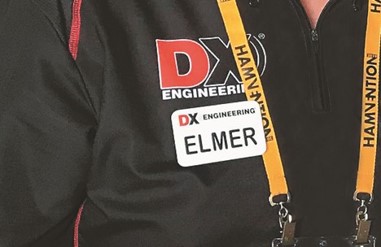
If the thought of finding someone to ask your questions feels overwhelming, you can start by asking in a group, perhaps a local club or a youth organization. It’s very likely that someone there will know the answer. If not, they’ll point you in the direction of someone who can help. You may even find yourself an Elmer who can answer more of your subject-specific questions later on in the process. If your local club doesn’t have an email list or a group chat, then you can also always ask on a local net.

One of the most important parts of learning to ask for help in the amateur radio community is to make sure you give back as well. All hams have something to offer, regardless of age, interests, or experience level. Answering the questions of new hams is one of the easiest ways to give back—and also one of the most impactful. Simply respond to their questions in email lists or in conversation at club meetings. You can also help them get on the air by assisting with station setup or by being on the other end of their first few contacts. These kinds of interactions are what make amateur radio such an amazing hobby.
Remember that asking for help isn’t going to reflect upon you poorly as a young ham—quite the opposite. It will help you learn and grow more than quietly nodding along and pretending you already know what’s going on. It will help you to feel like you belong in the group. Build up the courage to ask for help, and you’ll soon find yourself on the other side of the questions, helping those just getting started.
The post Ham Radio Youth Insights: How to Ask for Help in the Amateur Radio Community appeared first on OnAllBands.
OnAllBands