Last time we looked at using WinLink as an infrastructure-free method of sending and receiving email. It’s a great tool that is proven and reliable. However, sometimes you need more than email, like live messaging and live sending and receiving of forms.
Enter the Narrow Band Emergency Messaging System (NBEMS).
NBEMS is an open-source software package that allows licensed amateurs to send data via RF. You’ll need a computer running Windows, Mac or Linux, and an analog transceiver. No additional software is required beyond the NBEMS suite. You will have to install the manufacturer’s COM port drivers for your transceiver prior to connecting the transceiver to the computer.
Additionally, if your transceiver has a built-in soundcard, there is no other hardware needed. If you have an older transceiver without a built-in soundcard, then you will need an external soundcard inline between your computer and your transceiver.
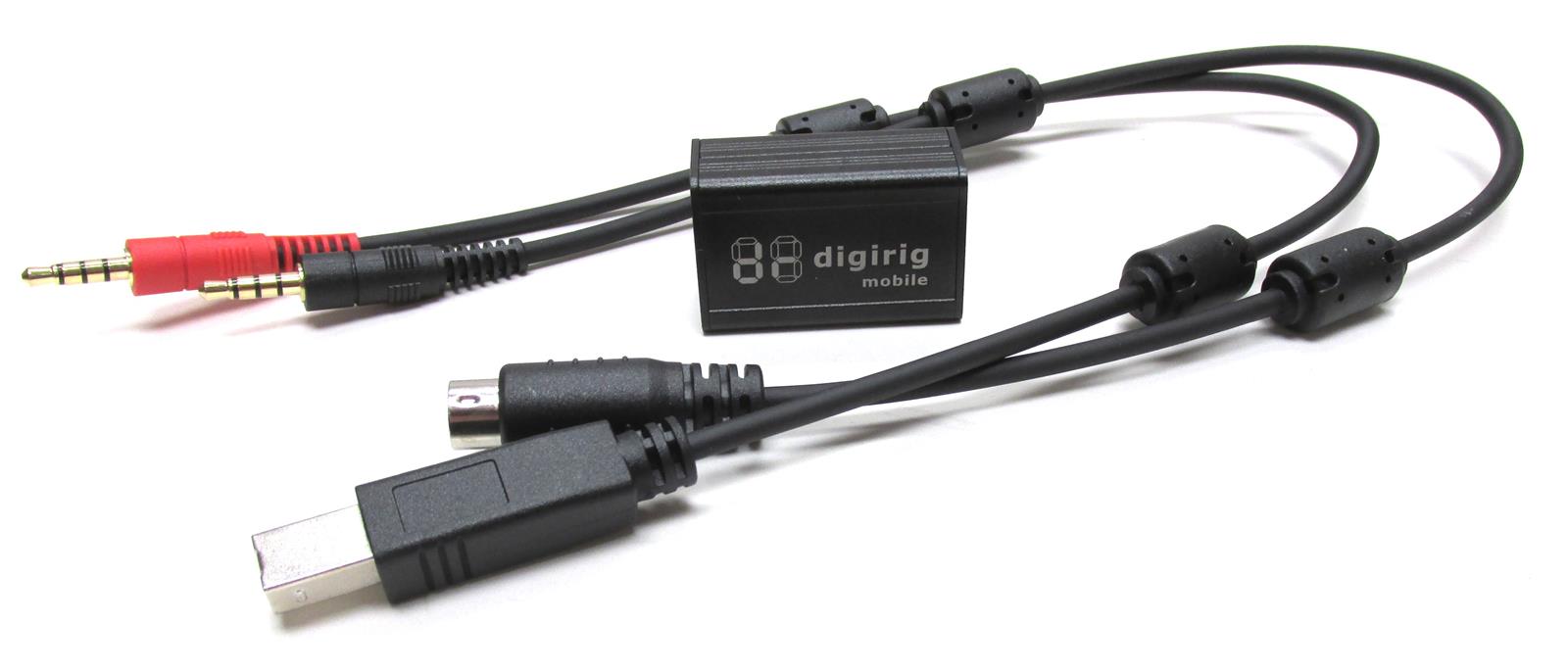
The DigiRig Digital Mode and Radio Control Interface is a great unit that can even provide PTT and rig control in addition to the soundcard feature.
NBEMS is a free download that can be located with a simple internet search. For the most functionality, be sure to download the entire suite. This will ensure that you not only have the actual messaging software but all templates and rig control configurations. Setting up the software is just like any other interfacing software. Audio points to the soundcard and rig control points to the newly installed COM port. You choose the correct rig control command set.
Once everything is installed and set up, you are ready to start receiving, sending, and passing traffic. Typically, with this software, there is an established frequency, mode, and speed which is published ahead of time. The agency or net control will typically open the net as appropriate, and you will simply “check in” using your keyboard just like you would on a voice net.
The nice thing about this software is that not only can you send and receive messages, but you can fill out forms that are stored within the software library. There are many forms including NIMS, GIS, ARRL and many others that may be used in an emergency or disaster situation. They are formatted to be transmitted and received within the framework of NBEMS.
Again, these messages and forms are being sent free of any infrastructure. Additionally, you can encode and decode RTTY and CW using this suite. On a rare occasion, I have participated in disaster relief CW nets using NBEMS.
It truly is a powerful tool, and I encourage anyone who is involved in EmComm to become fluent with it. By using NBEMS and WinLink, your served agency should never be left in the dark when communicating with Higher Headquarters.
Until next time, 73 de AC8OW.
The post Ham Radio EmComm Insights: A Look at the Narrow Band Emergency Messaging System appeared first on OnAllBands.
OnAllBands