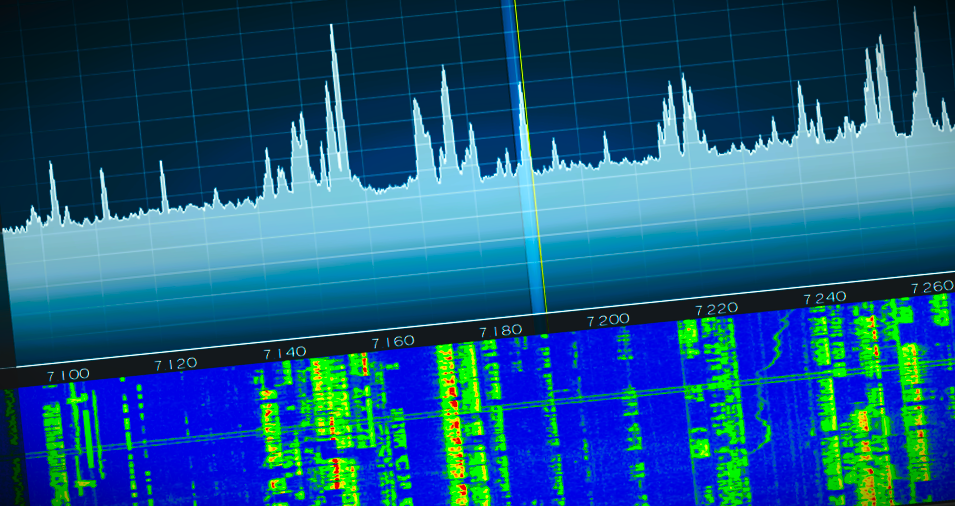
At first, a ham radio frequency is just a frequency. It is a number on the dial, a place where signals appear and disappear, and perhaps a convenient spot to stop while turning the VFO knob. But spend enough time listening to a regular ham radio net and something interesting happens. That frequency starts to feel less like a piece of the radio spectrum and more like a friendly neighborhood.
You recognize the voices. You know who is likely to check in early, who is always running five minutes late, and someone who manages to turn a simple signal report into a 20-minute story about the weather, antennas, or the time he repaired a transmitter using parts that probably belonged in a toaster.
The word “net”comes from network. But in this case, it’s a human network of ham radio operators connected by a common frequency.
The Magic of a Ham Radio Net
A net is simply an organized gathering of amateur radio operators on a particular frequency. There may be a net control operator who keeps things moving, calls for check-ins, handles traffic, and makes sure everyone gets a chance to speak. Some nets are highly structured. Others are relaxed enough that they feel more like a group of friends sitting around a virtual coffee table.
The equipment may be sophisticated like a full-blown DX station or extremely simple like a handheld transceiver. The participants might be separated by a few miles or several states. Yet for the duration of the net, they share the same invisible meeting place. And unlike a coffee shop, nobody has to worry about who is going to pick up the check.
More Than a Roll Call
One of the simplest types of nets is the regular check-in net. The net control operator announces that the net is beginning and invites stations to check in. Operators respond with their call signs, and sometimes a name, location, or short comment. It sounds simple—and it is. But this routine has a surprisingly important purpose.
A regular net gives people a reason to get on the air. Without a net, an operator might turn on the radio, listen for a few minutes, hear nothing interesting, and turn it off. With a net scheduled for 7 pm every Tuesday, however, there is somewhere to go. The regular appointment creates consistency.
After a while, operators begin planning around it. They know that Tuesday evening means the net. They may even find themselves looking forward to participating. The radio has quietly become social media without the scrolling, advertising, algorithms, or arguments about politics.
Everyone Has a Place
One of the strengths of a good net is that it can bring together operators with very different levels of experience. The newly licensed ham may be nervous about getting on the air. A net provides a relatively stress-free environment for making that first contact.
The experienced operator, meanwhile, has an opportunity to help. He or she can explain procedures, answer questions, and offer advice without making the new operator feel as though they have accidentally wandered into an advanced physics class.
This is particularly important because amateur radio can sometimes seem intimidating from the outside. There are antennas, radios, power supplies, SWR meters, coaxial cables, digital modes, propagation charts, regulations, and enough abbreviations to make the hobby look like a secret society. A friendly net cuts through all of that. You don’t have to know everything. You simply have to know your call sign and how to say, “Good evening.”
Nets Build Familiarity
A funny thing happens when you hear the same people regularly. You begin recognizing voices before you hear call signs. “Oh, there’s Mary. I’ll bet she’s going to mention the weather again.”
Eventually, you know where people live, what radios they use, what antennas they have, and which ones are currently undergoing the traditional ham radio maintenance procedure known as waiting for the parts to arrive.
You also learn about people’s lives. Someone may mention a new grandchild. Another operator may talk about a camping trip built around a POTA activation. One may have just completed a challenging antenna project. These little details turn operators into people rather than simply call signs. That is when a frequency becomes a community.
The Net Control Operator (NCO)
Every good net needs someone to keep things organized. Enter the net control operator. The NCO is part traffic cop, part host, and part referee. The job may involve calling the net to order, taking check-ins, recognizing stations, handling announcements, and keeping conversations from wandering completely off into the weeds.
And keeping a ham radio conversation from wandering into the weeds can be a difficult undertaking. A simple question such as, “How is everyone doing tonight?” can sometimes lead to a detailed discussion of antennas, lawn tractors, solar panels, boat anchors, and the weather forecast for the next seven days.
A good net control operator doesn’t necessarily shut down conversation. Instead, the operator keeps it moving while allowing people enough room to enjoy themselves. The best net control operators are organized without being authoritarian and friendly without allowing the net to become an audio free-for-all.
Nets Serve a Purpose
Not every net is simply social. Some are designed for emergency and public service communications. Others handle traffic—formal messages passed from one operator to another. There are nets devoted to specific radio activities such as chasing DX, working all states awards, technical discussions, equipment, clubs, or contesting.
Weather nets can become especially important during severe storms. Think of the Skywarn nets taking reports during severe weather. When normal communications are disrupted, amateur radio operators may provide information from locations that are otherwise difficult to reach. A trained net can collect reports, pass them to emergency organizations, and help maintain communication when conventional systems are overloaded or unavailable.
This is one reason regular participation matters. You don’t become effective during an emergency by reading the “NWS Field Spotter’s Guide” five minutes after the tornado warning appears. Regular nets provide training and practice. Operators learn procedures, learn how to communicate clearly, and learn how to work as a team.
Keeping a Net Healthy
A net can be technically perfect and still fail. The secret is participation.
Net control operators should make it easy for people to join. Long, complicated procedures can discourage newcomers. Excessive formality can make a friendly net sound like a congressional hearing. A good net should have enough structure to prevent chaos but enough flexibility to remain enjoyable. It also helps to give people a reason to check in.
Our local net poses a weekly question that can generate conversation, such as:
- What was your first ham radio?
- What’s your favorite antenna?
- What one thing would you take to a deserted island?
- What’s the strangest thing you’ve ever heard on the radio?
That last question could require several net sessions. The important thing is to create opportunities for participation rather than simply gathering a list of call signs.
Participation may also include general announcements—ones about upcoming club events, meetings, hamfests, news, and classes. Got something for sale? Here’s a good opportunity to let a group of potential buyers know about the FT-818, in immaculate condition, that you’re willing to part with. Need some operators to help out with the 4th of July parade? This is the place to enlist some volunteers.
The Importance of Listening
Participating in a net doesn’t always mean talking. Listening is valuable, too. New operators can learn a tremendous amount simply by hearing how experienced operators conduct themselves. They learn when to transmit, how to identify themselves, how to keep transmissions concise, and how to handle interference.
They also learn something that can’t easily be taught from a book or YouTube video: radio etiquette. You discover that being heard isn’t nearly as important as being polite. You’ll learn that nobody really needs to hear your complete life story every time you key the microphone. And eventually, you may even discover that your microphone has an uncanny ability to make you forget your own call sign.
A Community without Walls
Perhaps the most remarkable thing about a ham radio net is that it creates community without requiring everyone to be in the same physical place. The operator in the next neighborhood may be there. So may someone 20 miles away. Depending on the band and conditions, the group might stretch much farther. Yet everyone gathers at the same time and shares the same frequency.
There are no physical walls, no parking problems, and no requirement that everyone live in the same neighborhood. The only real requirement is that everyone can get a signal into the meeting. Sometimes that signal is strong and clear. Sometimes it arrives with static, fading, and enough noise to make everyone wonder if they’re standing near a food processor.
More Than Radio
A good ham radio net is ultimately about people. The radios are simply the devices that make the gathering possible. The frequency is the meeting room. The net control operator is the host. The operators are the neighbors. Conversations are the reason everyone keeps coming back.
And over time, something changes. A frequency that once meant nothing becomes familiar. You hear a call sign and know the person behind it. You notice when someone doesn’t check in. You hear a familiar voice after a long absence, realizing that you missed it. That is when amateur radio becomes much more than just a technical hobby.
A net can turn a collection of strangers into friends, a group of operators into a team, and a number on the dial into a place where people belong. In a hobby built around invisible signals traveling through the air, it’s one of the most human connections amateur radio can make.
Looking for a Net?
Listening on local repeaters or the HF bands can be a good starting point. Here are a couple online sources that can help you connect with a net:
- netfinder.radio (Find a group on the air you can call home.)
- arrl.org/arrl-net-directory-search (The ARRL Online Net Directory helps you find registered nets through their database.)
- w0xz.com/v/hfnets/ (The HF nets SDR tuner. Subject to band conditions and net schedules.)
The post Nothing But Net—When a Frequency Becomes a Community! Learn the Basics of Enjoying Ham Radio Nets appeared first on OnAllBands.
OnAllBands