The relationships I’ve formed with my mentors in amateur radio are some of the most meaningful relationships I have. These mentors have helped guide and encourage me through all my interests within the hobby—and even some outside of it—while being a constant source of support.
A number of hams (young hams particularly) get into the hobby as a result of the encouragement from a mentor (or “Elmer,” in amateur radio jargon), but not all of them. It can be challenging to find an Elmer on your own if you’re new to the hobby and don’t know many hams yet.
There are plenty of ways to go about connecting with Elmers, including finding them on the air, in person, or online. You may even discover that you need more than one mentor to explore different aspects of the hobby. If you’re looking for an Emer who lives relatively close to you (perhaps for help in setting up a shack, looking for advice on clubs, or exploring amateur radio opportunities nearby), local nets are a good way to search for someone. Typically, the people checking into these nets are active in the club that hosts the net.
Getting on the air outside of nets is also helpful. Simply rag-chewing on 40 meters for a few minutes may introduce you to someone who would be willing to mentor you or put you in contact with someone who can.
Finding a mentor online may be a good option if you don’t need someone who lives close to you. If you’re part of any large amateur radio group like the Young Ladies Radio League (YLRL) or Young Amateur Communications Ham Team (YACHT), you could reach out to someone on the board or to a very involved member and let them know you’re looking for an Elmer.

This will be even more effective if you indicate exactly what you’re looking for in a mentor. Are you interested in learning CW? Need contesting tips? Want to get into digital modes? By being clear about your interests, whoever you reach out to can put you in touch with hams who are familiar with the specific topic in question.

Another online option for finding a mentor could be turning to one of the numerous amateur radio groups on social media. It’s not uncommon for people to look for mentors in these groups, or to simply ask questions.
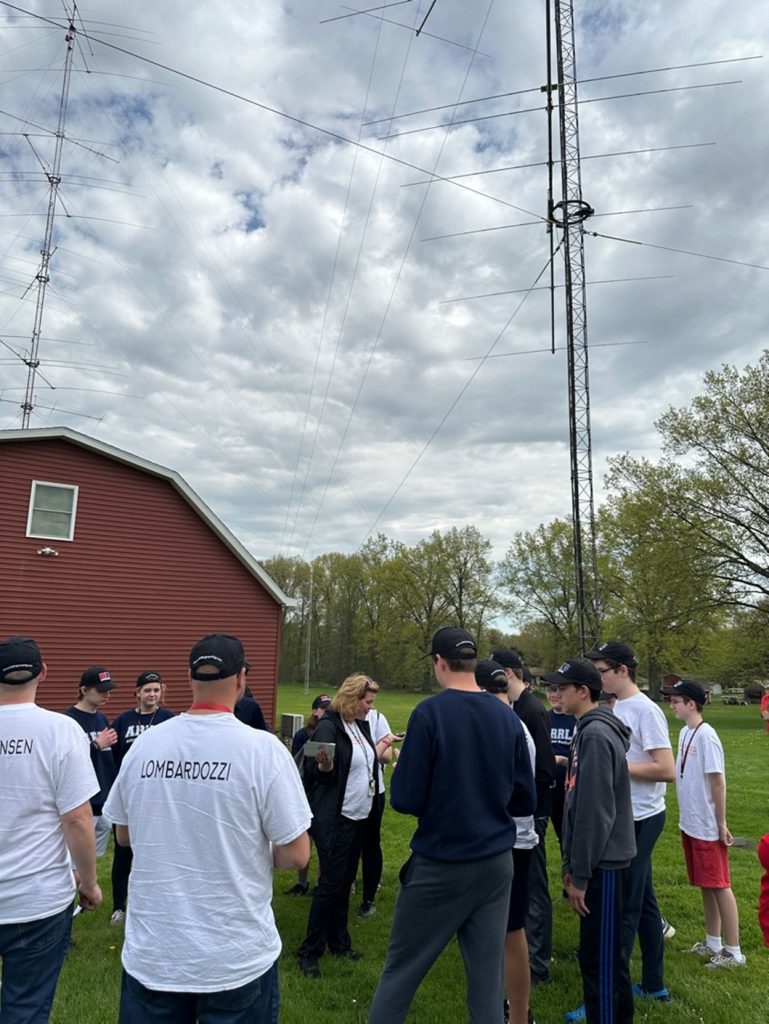
Finding a mentor in person can also be a good option. At many of the larger hamfests across the country, there are forums you can attend pertaining to specific topics. These will have a high concentration of like-minded hams who may be willing to help you get started in your area of shared interest. Clubs and organizations typically have booths you can visit at these conferences. Ask the people representing the club who would be good to reach out to with your questions.
Another effective method of finding a mentor is to find a local club and attend their meetings to get a firsthand taste of the club’s culture. For some clubs, events are only spread by word of mouth or through private social media groups rather than published online. The dates, times, and meeting places of your local clubs will, however, likely be posted online, making them easy to find for prospective attendees and members.
Some clubs also have a program in which members sign up to be mentors for other newer hams looking for some encouragement and assistance getting into the hobby. If you find a club that has a program like this, it’s an obvious choice and a great way to find a mentor.
Whether you already have a mentor or not, the best thing you can do is ask as many questions as you can when you don’t understand something. Most of the time, if you ask questions and want to learn, you’ll find plenty of mentors and build relationships with them naturally. Remember to let yourself be teachable —no matter your age, license class, or level of experience with the hobby. There is always something to learn from those around you.
You don’t always need a mentor to get involved with amateur radio, but finding one is well worth it. The most valuable parts of amateur radio are the connections and friendships that are made along the way, and relationships with Elmers are no different. Even if it’s challenging at first, once you do find a group of people who are willing to mentor you, they’ll become some of your biggest supporters—not just in ham radio, but in life overall.
The post Youth Ham Radio Insights: How to Find a Mentor appeared first on OnAllBands.